

Finding high-quality, non-bruised tropical fruit in a standard German supermarket is often a gamble that ends in wasted budget and disappointment. You've likely sorted through retail bins only to find hard, flavorless produce or fruit already past its prime. It's frustrating when you need the specific nutritional profile and unique flavor of a fresh guava but lack a consistent supply chain. Most consumers in Germany assume that subpar quality is the price of distance, but professional sourcing standards prove otherwise.
We'll explain how to identify peak ripeness and why the 228mg of vitamin C per 100g makes this fruit a critical addition to a healthy diet. You'll understand the technical differences between white and pink varieties, focusing on brix levels and pulp density. This article provides the criteria for professional-grade selection and introduces a reliable online procurement method for fresh delivery across Germany. We're moving past the guesswork of local grocery aisles to ensure you get the exact quality and variety you require.
Key Takeaways
- Identify the significant nutritional advantages of tropical superfruits, including high Vitamin C and dietary fiber for immune and digestive support.
- Compare the characteristics of white and pink guava varieties to determine which flavor profile and nutrient density best suit your requirements.
- Learn professional methods for selecting, ripening, and storing fresh tropical produce to maximize shelf life and minimize waste.
- Explore efficient sourcing solutions in Germany that provide direct access to fresh Indian agricultural products with professional logistics and competitive pricing.
What is Guava? Understanding the Tropical Superfruit
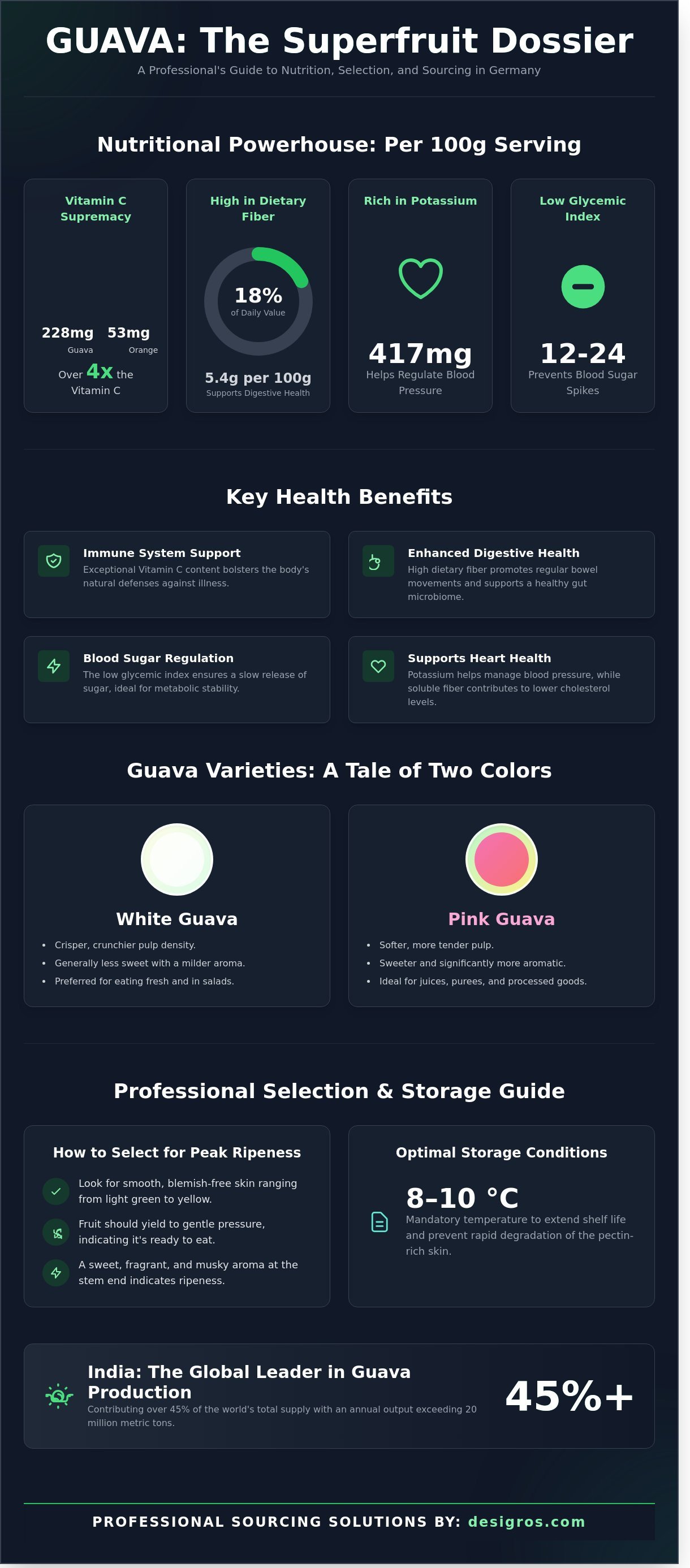
Guava is a nutrient-dense fruit belonging to the myrtle family. Known taxonomically as Psidium guajava and frequently referred to as "Amrood" in Hindi, this species represents a significant commodity in tropical agriculture. While the fruit's history begins in Central America and Southern Mexico, it transitioned into a staple of Indian agriculture during the 17th century. Today, India leads global production, contributing over 45 percent of the world's total supply with an annual output exceeding 20 million metric tons. This hardy crop is characterised by a unique edible rind and a dense, seed-filled core that offers a distinct texture compared to temperate pome fruits.
For procurement specialists and retailers asking What is Guava?, it's essential to recognize its commercial resilience. The fruit contains roughly 228mg of Vitamin C per 100g, which is approximately four times the concentration found in oranges. In the German market, where health-conscious consumption drives import trends, these metrics are vital for product positioning. Wholesale prices in European hubs like Hamburg or Munich typically fluctuate between €4.50 and €7.00 per kilogram depending on the season and transport method. Logistics teams prioritize air freight for ripe specimens to prevent the rapid degradation of the thin, pectin-rich skin.
The Botanical Profile of Psidium Guajava
The guava plant grows as evergreen shrubs or small trees, typically reaching heights between 3 and 10 meters. As a member of the Myrtaceae family, it shares genetic traits with eucalyptus and cloves, which contributes to its aromatic leaves and bark. These trees are vital components of tropical ecosystems because they provide consistent food sources for local fauna. In a commercial context, the trees are prized for their longevity and productivity, often remaining viable for 30 to 40 years. Seasonal availability in the global market peaks twice a year, though German importers see the highest volumes between November and January. Maintaining a strict storage temperature of 8 to 10 degrees Celsius is mandatory to extend the shelf life of the fruit during the distribution phase.
Guava in Cultural Cuisine
In South Asian regions, the species earned the title of "poor man’s fruit" due to its exceptional yields and low maintenance requirements. A single mature tree can produce between 150 and 250 kilograms of fruit per year, ensuring high availability at low price points. Traditional uses remain centered on South Asian street food, where vendors serve "Amrood" sliced and seasoned with black salt, chili powder, and lemon juice. This preparation highlights the fruit's ability to balance sweet and savory profiles.
The transition from a local tropical snack to a global health trend is evident in European retail data. Between 2019 and 2023, the demand for tropical fruit purees in Germany grew by 14 percent. This shift is fueled by the beverage and cosmetic industries utilizing the fruit’s high antioxidant content. Businesses now source various cultivars, ranging from the white-fleshed varieties preferred for crunchiness to the pink-fleshed types utilized for juice production and processing. This versatility makes the crop a reliable asset for diverse commercial applications in the food and beverage sector.
Top 8 Health Benefits of Eating Guava Regularly
Guava offers a dense nutrient profile that supports various physiological functions. It's a high-performance fruit for health-conscious consumers and professional food service providers. Data from the German Nutrition Society (DGE) suggests that incorporating high-fiber, vitamin-rich fruits like guava can significantly improve dietary quality. This tropical fruit provides 228mg of Vitamin C per 100g, which is approximately 4.3 times the amount found in standard oranges (53mg). This concentration makes it an efficient tool for immune system maintenance, especially during the colder months in Germany.
Digestive health relies heavily on fiber intake. A single 100g serving of guava delivers 5.4g of dietary fiber, accounting for 18% of the 30g daily fiber target recommended for adults. This high fiber content facilitates regular bowel movements and supports a healthy gut microbiome. For those managing blood sugar, guava is a strategic choice. It has a low glycemic index, typically ranging between 12 and 24. This ensures a slow release of glucose into the bloodstream, preventing the insulin spikes associated with high-sugar tropical fruits. Scientific reviews on the therapeutic and health potential of guava highlight its role in glucose regulation and metabolic stability.
Heart health is another critical area where guava excels. It contains 417mg of potassium per 100g, which helps balance sodium levels and manage blood pressure. The soluble fiber in the fruit also assists in reducing LDL cholesterol levels. Regular consumption contributes to:
- Enhanced Immune Response: High ascorbic acid levels stimulate white blood cell production.
- Weight Management: High satiety levels from fiber help reduce overall caloric intake.
- Vision Protection: Vitamin A content helps prevent macular degeneration.
- Cognitive Function: B-vitamins (B3 and B6) improve blood flow to the brain.
- Stress Reduction: Magnesium helps relax muscles and nerves after physical exertion.
Nutritional Breakdown per 100g
A 100g portion of raw guava contains 68 calories. The macronutrient distribution is efficient: 14g of carbohydrates, 2.6g of protein, and less than 1g of fat. It's a significant source of Vitamin A (624 IU) and B-complex vitamins, including Folate (49mcg). Essential minerals include 22mg of Magnesium, 40mg of Phosphorus, and 0.15mg of Manganese, providing a broad spectrum of electrolytes and metabolic cofactors for daily performance.
Antioxidants and Skin Health
Guava is rich in lycopenes and polyphenols; these compounds protect cells from oxidative stress caused by environmental pollutants. In pink guava varieties, lycopene levels are particularly high, offering localized cellular protection. The high Vitamin C concentration is vital for collagen synthesis. This protein maintains skin elasticity and accelerates the healing of dermal tissues. Additionally, guava leaf extracts possess anti-inflammatory properties that can reduce skin irritation. These bioactive compounds ensure that regular consumption supports both internal health and external dermatological resilience.
White vs. Pink Guava: Which Variety is Better?
Choosing between white and pink guava varieties depends on your specific business needs or culinary goals. White guavas are the standard for fresh retail in Germany. They offer a higher Vitamin C content, frequently reaching 228mg per 100g of fruit. This is nearly double the amount found in many citrus fruits. From a logistical standpoint, white varieties are more resilient. Their firmer flesh reduces mechanical damage during transport from tropical regions to European warehouses. Pink varieties are prized for their processing yield and aesthetic appeal in the food service sector.
How to Identify White Guava
White guava features a light green skin that remains relatively tough even as the fruit ripens. The interior is a creamy white color and contains a higher concentration of small, hard seeds than pink types. Varieties like the Allahabad Safeda are dominant in international trade because they maintain a crunchy, pear-like texture. This firmness is a key quality indicator for wholesalers. It ensures the fruit doesn't bruise easily when packed in standard 4kg or 5kg export cartons. These fruits are less prone to rapid fermentation, which extends their shelf life in a retail environment.
The Appeal of Pink Guava
Pink guava is easily recognized by its vibrant salmon or deep pink pulp. This color is the result of high lycopene content, a powerful antioxidant also found in tomatoes. The skin usually turns a pale yellow as the fruit reaches peak maturity. Its flavor profile is significantly more floral and musky than the white variety. Professional chefs prefer pink types for their softer flesh and intense aroma. While they're more delicate to handle, they provide a superior visual element for premium juice blends and desserts.
Strategic Selection for Professionals
Sugar and acidity levels differ between these two main categories. White guavas typically have a higher acidity, which provides a crisp, refreshing taste. This makes them the best choice for fresh snacking or inclusion in fruit salads where structural integrity is required. Pink guavas have a more straightforward, sugary profile with lower acid levels. They're the industry standard for producing smoothies, jams, and concentrates.
For those managing inventory, understanding Guava varieties, ripening, and storage is essential for minimizing waste. White guavas can be stored at 10°C to 12°C to maintain their crunch for longer periods. Pink varieties require faster turnover because they soften quickly at room temperature. In the German market, wholesale prices for guava fluctuate based on seasonal availability from India, Egypt, or South America. Buyers should prioritize white varieties for bulk retail displays and reserve pink varieties for immediate processing or high-end catering applications. Using the right type ensures the best balance between flavor, nutrition, and profitability.
How to Select, Store, and Eat Fresh Guava
Selecting the right fruit is the first step to ensuring a high-quality consumer experience and reducing waste. In German wholesale markets, buyers typically encounter two main varieties: the white-fleshed and the pink-fleshed. When you're evaluating a fresh guava, look for a specimen that feels heavy for its size. The skin should be vibrant green or slightly yellowish, depending on the specific variety. A high-quality fruit yields slightly under gentle thumb pressure, similar to a ripening avocado. If the fruit feels rock hard, it's underripe; if it feels mushy or has deep brown indentations, it's past its prime. Professional kitchens often purchase fruit that's 80% ripe to allow for a 48-hour window of peak usage.
Storage requirements depend entirely on the current ripeness level of the batch. Keep firm fruits at a consistent room temperature of approximately 20°C to facilitate natural ripening. This process usually takes 2 to 5 days. Once the fruit emits a strong, floral aroma and softens, move it to cold storage. Maintaining a temperature of 5°C to 7°C will preserve the texture for an additional 3 to 4 days. Don't store them near ethylene-producing fruits like bananas if you want to prevent over-ripening. For commercial operations, monitoring these temperatures daily is vital to maintain inventory turnover and product integrity.
Preparation begins with a thorough wash under cold running water to remove any surface residues or wax used during transport. You can slice the fruit into rounds, halves, or wedges depending on the intended presentation. There's often a debate regarding the internal seeds. While they're quite hard, they are perfectly safe to consume. The entire guava, including the skin and seeds, is edible and nutritious. If a smoother texture is required for sauces or mousses, you can scoop the seeds out with a small spoon or pass the blended pulp through a fine-mesh sieve to achieve a professional finish.
The Indian Way: Guava with Chaat Masala
In Indian culinary traditions, the fruit is frequently served as a savory street snack. Vendors slice the guava into 8 uniform wedges and toss them with a specific spice blend. This mixture typically consists of 2 grams of Chaat Masala, a pinch of sea salt, and a dusting of red chili powder. The savory, sulfurous notes of the black salt in the masala provide a sharp contrast to the fruit's natural 12% sugar content. This preparation method is highly efficient for quick-service environments and offers a unique flavor profile that differentiates a standard fruit platter from a premium offering.
Culinary Uses Beyond Snacking
The fruit's versatility makes it an excellent candidate for various high-margin menu items. In tropical salads, it pairs well with lime juice and fresh mint to balance heavy fats like avocado or feta cheese. For beverage programs, blending the pulp creates a dense nectar ideal for "Guava Chilli" mocktails. These drinks are currently trending in urban German gastronomy, often priced between €6.50 and €8.50. Another traditional use is the production of "Guava Cheese," also known as Perad. This involves cooking the pulp with sugar at a 1:1 ratio until it reaches a firm, jelly-like consistency. It's a shelf-stable way to utilize surplus stock while creating a gourmet preserve for retail sale.
If you're looking to stock your business with high-quality tropical products at competitive prices, we can help. Check our current wholesale inventory to find the best deals for your retail or catering needs.
Buying Fresh Guava in Germany: The Desigros Advantage
Standard German supermarkets like Edeka or Rewe often stock tropical fruit, but quality varies significantly. These retailers usually source through multiple intermediaries, which adds 3 to 5 days to the supply chain. By the time a guava reaches the shelf in Munich or Hamburg, it's often lost its peak aroma and firm texture. Desigros eliminates these delays through a direct-sourcing model. Since our expansion in 2022, we've served over 500 commercial partners across the DACH region by streamlining logistics. We work with established growers to ensure produce moves from harvest to our 2,500 square meter temperature-controlled warehouse in record time. This logistics chain maintains the 12% to 15% sugar content typical of high-quality tropical fruit. Our operations focus on professional-grade volume, ensuring every piece of fruit meets strict ripeness criteria before it's cleared for dispatch.
To ensure your order arrives in pristine condition, we utilize a multi-step quality control process:
- Direct Sourcing: We bypass secondary wholesalers to reduce handling time by 48 hours.
- Climate Control: Our facility maintains a constant 8-10°C environment to prevent premature spoilage.
- National Delivery: We provide reliable shipping from Frankfurt to Berlin, covering 100% of German zip codes.
- Professional Packaging: Every shipment uses custom-engineered corrugated boxes and protective netting to reduce bruising rates to less than 2%.
Why Order Tropical Fruits Online?
Physical retail stores in Germany prioritize shelf-stable items. This means they rarely carry authentic Indian varieties like the white-fleshed Lucknow 49 or pink-fleshed Allahabad Safeda. Ordering through Desigros gives you access to these specific cultivars that define the authentic South Asian culinary experience. Convenience is a primary factor for our B2B and high-volume retail customers. A single 10kg or 20kg order of fruit is heavy and difficult to transport via public transit. Our system handles the heavy lifting, delivering directly to your doorstep or storefront. We maintain a 98% stock availability rate for seasonal specialties, including fresh mangoes and guava, even when local shops are sold out. This reliability allows businesses to plan their menus or inventory cycles with 100% confidence.
The Desigros Shopping Experience
Our platform functions as a comprehensive one-stop shop for fresh Indian vegetables and fruits. We've optimized our digital interface for speed, allowing users to complete a bulk order in under 4 minutes. Reliability is our core metric. We offer next-day shipping options across Germany, ensuring a shipment leaving our facility reaches Berlin, Cologne, or Stuttgart within 24 hours. Maximize your order by pairing your fruit with essential Indian spices. A common professional preparation involves dusting sliced fruit with Chaat Masala or black salt. Buying these items together reduces your total shipping cost per kilogram. We provide clear pricing in Euro (€) with no hidden fees, supporting the budgetary planning of restaurants and catering businesses. Our facility is designed to meet the highest EU food safety standards, giving you peace of mind with every crate delivered.
Secure Your Supply of Premium Tropical Fruit Today
Choosing between white and pink guava varieties depends on your specific requirements for texture or sweetness, but both options provide a massive 228mg of Vitamin C per 100g. Sourcing high-quality tropical produce in Germany requires a partner with a direct and reliable supply chain. Desigros manages the entire logistics process to ensure that authentic South Asian fruit reaches your doorstep in peak condition without unnecessary delays.
Efficiency is at the core of our wholesale platform. We provide next-day national shipping across Germany to maintain the freshness of our 500+ product lines. You don't have to worry about stock gaps or inconsistent quality from middle-men. Our procurement team sources directly from certified growers to meet strict EU food safety standards. This professional approach guarantees you receive the best market rates while maintaining the nutritional integrity of your ingredients.
Order Fresh Guava and Indian Groceries at Desigros
Start optimizing your kitchen or retail inventory with the highest quality tropical staples available on the market today.
Frequently Asked Questions
Can you eat guava seeds?
Yes, guava seeds are entirely edible and provide a dense source of dietary fiber. They account for approximately 14% of the fruit's total fiber content. You can swallow them whole or blend them into smoothies; they don't need to be removed before consumption. Most consumers eat the seeds along with the pulp to benefit from their nutritional profile.
Is guava good for weight loss?
Guava supports weight loss because it's low in calories and high in fiber. A single medium fruit contains about 37 calories and 3 grams of fiber, which is 12% of your daily recommended intake. This high fiber content promotes satiety and reduces overall calorie consumption throughout the day. It's an efficient snack for those monitoring their energy intake without sacrificing volume.
How do you know when a guava is ripe?
A ripe guava yields to gentle thumb pressure and emits a strong, sweet fragrance. The skin color typically shifts from bright green to a yellowish-green hue as it matures. If the fruit feels rock hard, it needs 2 to 4 days at room temperature to reach peak ripeness. You should avoid fruits with deep soft spots or bruising that indicate over-ripeness.
Does guava have more Vitamin C than an orange?
Yes, a guava contains 4 times more Vitamin C than an orange. While a 100g serving of orange provides 53mg of Vitamin C, the same amount of guava delivers approximately 228mg. This makes it a superior choice for businesses looking to market high-nutrient produce to health-conscious customers. A single serving covers over 250% of the daily recommended value.
Can diabetics eat guava?
Diabetics can safely consume guava because it has a low Glycemic Index (GI) of 12 to 24. The high fiber content prevents rapid blood sugar spikes by slowing glucose absorption in the bloodstream. Research indicates that eating the fruit without the skin can further reduce sugar absorption for some individuals. It's a stable fruit option for specialized dietary retail sectors and health-focused meal planning.
How long does fresh guava last in the fridge?
Fresh guava lasts between 5 and 7 days when stored in a refrigerator at 4°C to 7°C. For maximum shelf life, place the fruit in a perforated plastic bag to maintain humidity without trapping excess moisture. Unripe fruits should stay on the counter until they're soft before moving them to cold storage to prevent chilling injury. This ensures the inventory remains marketable for a full week after arrival.
Where can I buy fresh Indian guava in Germany?
You can buy fresh Indian guava at specialized Asian supermarkets in major cities like Berlin, Munich, or Frankfurt. For bulk orders and B2B supply, Desigros offers a reliable inventory of tropical fruits with competitive wholesale pricing. Prices in Germany typically range from €4.00 to €8.00 per kilogram depending on the season and import logistics. We ensure consistent supply chains for retailers across the country.
Is it safe to eat guava skin?
It's completely safe to eat guava skin, which contains the highest concentration of Vitamin C in the entire fruit. Simply wash the exterior thoroughly under cold water to remove any surface residues before eating. The skin is thin and edible, making it efficient for quick consumption or processing into juices without the labor cost of peeling. It adds a slightly firm texture to the eating experience.